When AMD announced its next-gen , it was hard not to get the impression that the whole thing was a bit of a knee-jerk reaction to Nvidia's DLSS 3 with Frame generation. Did AMD actually have anything already in the works or was it scrambling to even get started?
Fast forward nine months and AMD's answer to Frame Generation remains nowhere to be seen, suggesting that its Fluid Motion Frames technology had been fairly hypothetical when announced back in November.
But, rejoice, for now there are indications that FSR 3 and Fluid Motion Frames technology could finally appear next month. According to YouTube channel , AMD will finally launch FSR 3 with Fluid Motion in September to tie in with new RDNA 3 GPUs.
AMD's head honcho, Lisa Su, . We're expecting confirmation of at least the Radeon RX 7800 XT to launch by the end of August and maybe the 7700 XT, too.

While AMD offers u31.com เข้าสู่ระบบ reasonably competitive resolution scaling technology in FSR 3, it currently lacks a direct alternative u31 ทางเข้า to Nvidia's Frame Generation. The latter uses AI-enhanced algorithms to create whole new frames that are inserted in between fully GPU rendered frames.
Frame Generation has been somewhat controversial because while it helps to improve the fluidity and visual smoothness of games rendering, it actually adds slightly to latency and input lag.
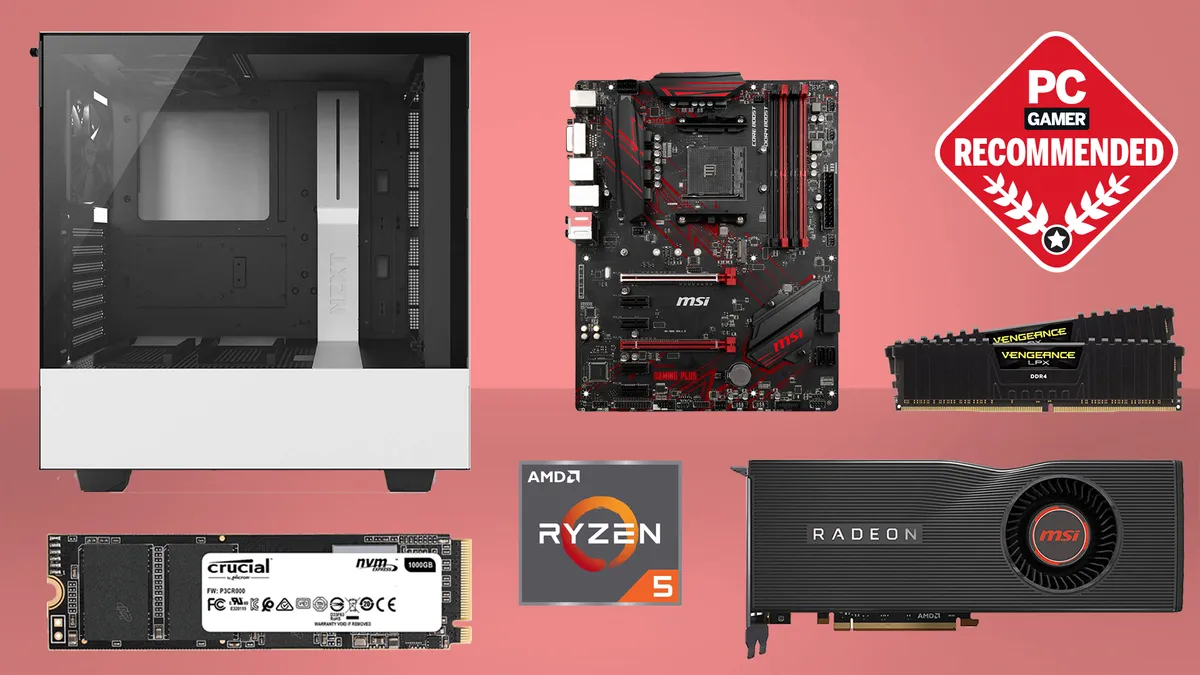
: The top chips from Intel and AMD
: The right boards
: Your perfect pixel-pusher awaits
: Get into the game ahead of the rest
DLSS and FSR resolution scaling, by contrast, u31 เข้าสู่ระบบ improve both the frame rate and latency, making the benefits pretty unambiguous.
Anyway, enough gamers appreciate Nvidia Frame Generation technology for its absence from AMD's feature set to be conspicuous. The next question, of course, is will AMD's take will be any good? FSR 1's resolution scaling was some distance behind DLSS for quality, while FSR 2 closed the gap significantly.
It will be interesting to see if Fluid Motion Frame tech is competitive with Nvidia's Frame Generation from the get go or if it will take AMD another generation to iterate it up to Nvidia's standards.